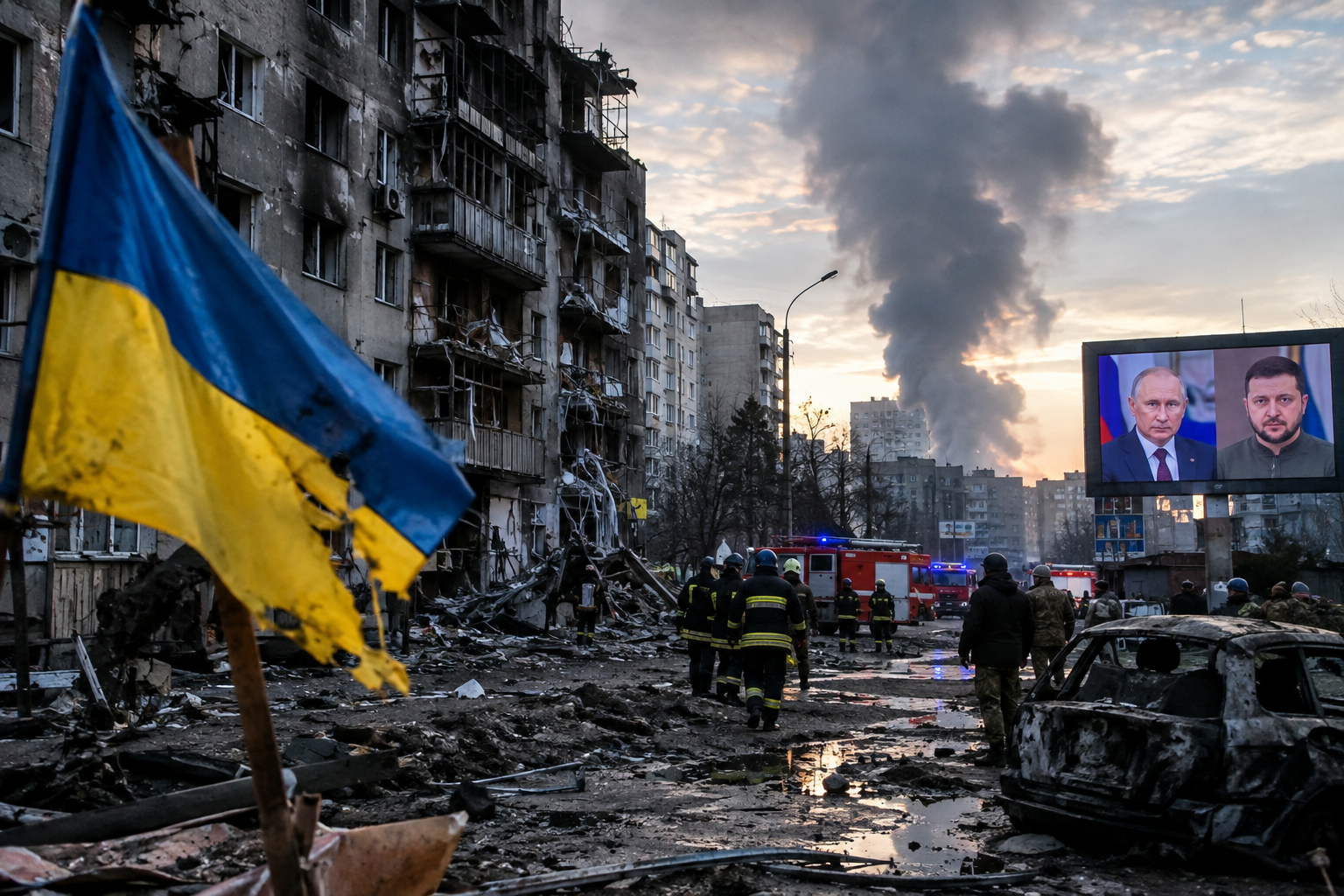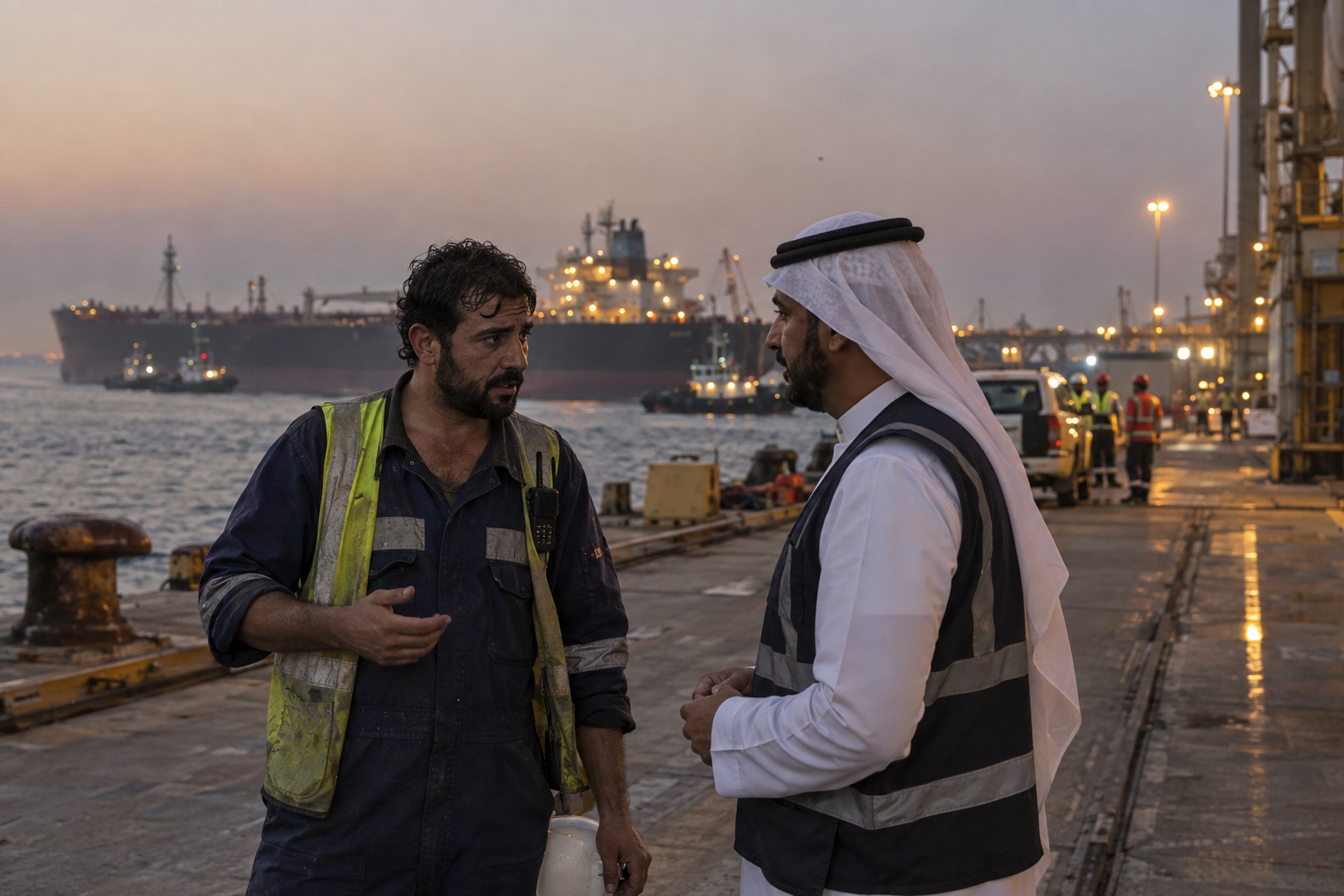
In the space of a single week, the Gulf has learned that its emergency exits lead into another fire. Yemen’s Houthis said on Thursday that they had struck Saudi Arabia’s defence ministry, an Aramco facility at Yanbu and King Fahd airport near Dammam, where two people died. Hours earlier, Tehran claimed seven tankers had been hit in the Strait of Hormuz, a count Donald Trump dismissed as invented to push oil prices higher. Whoever is right about the tankers, the larger truth is harder to dispute: the truce meant to quiet this region has been undone from its edges.
The June memorandum agreed in Islamabad was a bargain built around one waterway. Hormuz would reopen, the shooting would stop and talks would follow. It collapsed within weeks. The American naval blockade of Iranian ports was reinstated on 14 July, and CENTCOM marked its hundredth day this week, claiming it has cost Tehran at least $25 billion in oil revenue. Around the same time, the Houthis announced a naval blockade of Saudi Arabia. Nobody drafting the June text had a pipeline, a Red Sea port or a Yemeni coastline in mind.
That omission is the story of the autumn. When the strait closed, the Gulf’s answer was geography: route around it. Saudi Arabia’s East-West pipeline, rated at roughly seven million barrels a day, carries crude to Red Sea terminals, and Aramco’s president said this week that volumes moving through it have more than tripled. Market analysts say non-Iranian Middle Eastern exports have crept back toward pre-war levels. But the bypass ends at Yanbu, inside Houthi drone range, and its pumping stations have been struck. The line was shut as a precaution in September, and flows were reportedly halted again on 5 October. An escape route that terminates at another chokepoint is not an escape. It is a postponement.
Hormuz itself has not healed. Kpler data showed crude flows through the strait about 40 percent below normal in early October, and IMF PortWatch counted only four transits on 18 October against a pre-crisis norm of roughly 85 a day. A British maritime monitor says October has brought more reported attacks on shipping than any month since March. Iran’s Revolutionary Guard now warns that American bases will be pulled in if the US Navy keeps escorting merchant vessels, and one of its officials has even threatened undersea internet cables.
Tehran insists the way out is simple: seven conditions anchored in the abandoned June memorandum, including an end to the blockade, relief from oil sanctions, the release of frozen assets and American backing for an Iran-Oman arrangement on coordinated transit lanes. Washington has rejected the latest roadmap, though Iranian officials say the offer is still alive and that contacts continue. What neither capital can easily provide is the one thing the Gulf now needs: a ceasefire that covers the Red Sea as well as the strait.
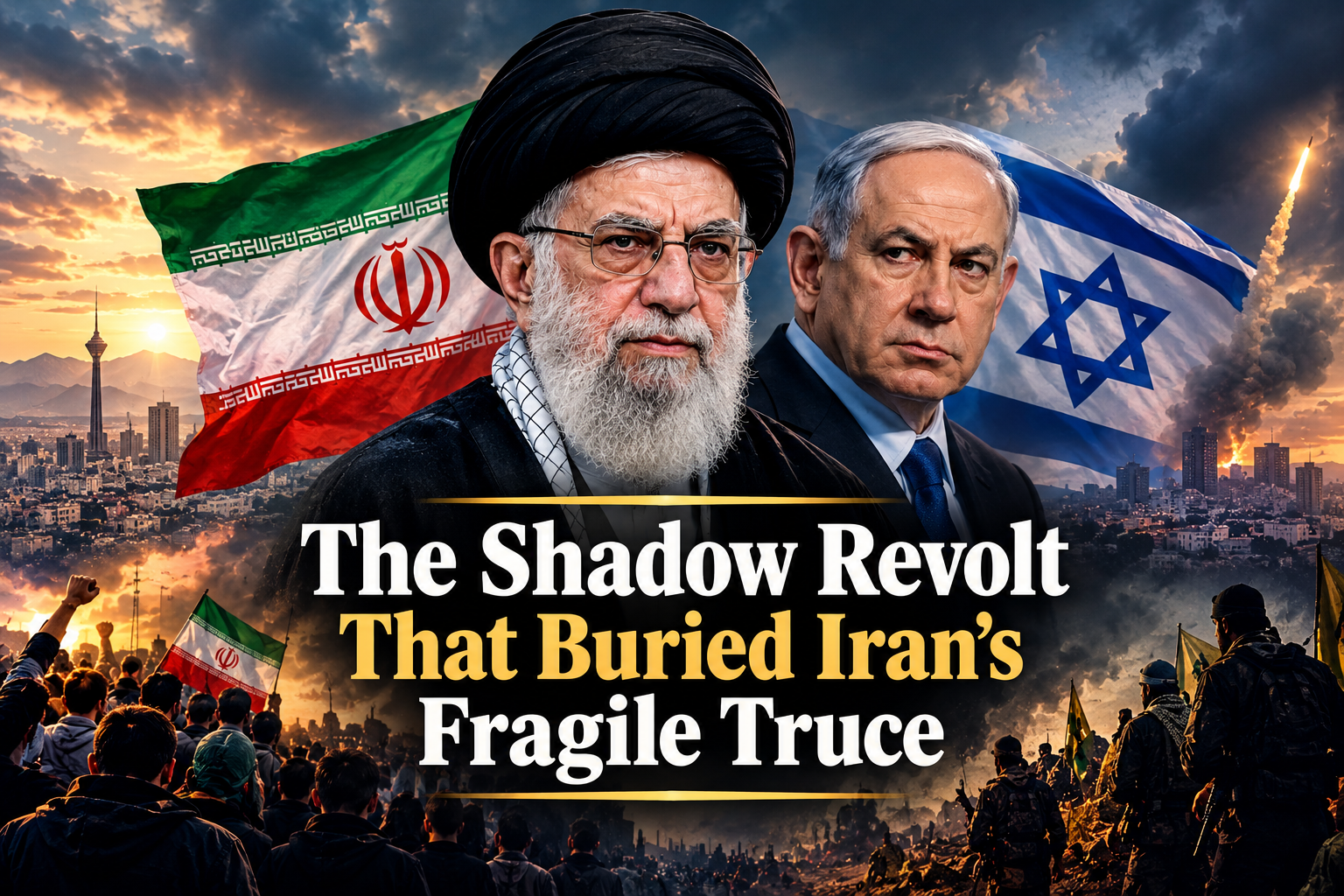
This is where the shadow revolt matters. The Houthis, who are aligned with Iran, say they are fighting their own war against Saudi Arabia, and how tightly Tehran steers them is disputed. The effect is the same either way. Iran’s principal bargaining chip, control over Hormuz, has acquired a twin that it neither fully commands nor can simply switch off. Last month the Houthis pushed along Yemen’s Red Sea coast toward Bab al-Mandeb, and a deal struck in Muscat or Islamabad could calm the strait while Yanbu still burns. Worse, a Saudi-Houthi conflict with its own grievances and its own clock hands hardliners on every side an argument that diplomacy cannot deliver.
The costs are spreading. Brent crude topped $110 on Thursday, according to The National, and Aramco evacuated its Dhahran headquarters, a first since the war began. Airports that once symbolised the Gulf’s ambition to be a global crossroads are now targets, and the US State Department has warned travellers about the hostilities. Shipping insurers, Asian refiners that depend on Gulf crude and Egypt, whose canal revenue rides on a calm Red Sea, are all absorbing the shock. Cairo is urging a political solution even as its parliament weighs military backing for Riyadh, a sign of how quickly a regional quarrel can turn into a coalition problem.
Time is not neutral. Some American commentators expect Washington to hold off on resuming strikes against Iran until after the 3 November midterm elections, which would give diplomacy a narrow window and give the Houthis a calendar of their own. Civilians pay first. Saudi air defences are intercepting drones above Riyadh and Medina, the Houthis say hundreds have died in Yemen since July, and Pakistan is cautioning pilgrims who travel between Iran and Iraq.
A truce is a promise about a map. This war has spent eight months redrawing it: when the sea was shut, the fighting travelled by pipeline; when the pipeline was cut, it climbed into the sky above airports and office towers. Unless the next negotiation covers every one of those routes, it will be signed on a chart that no longer exists.